The Real Reason Core Training Matters (It's Not the Six-Pack)
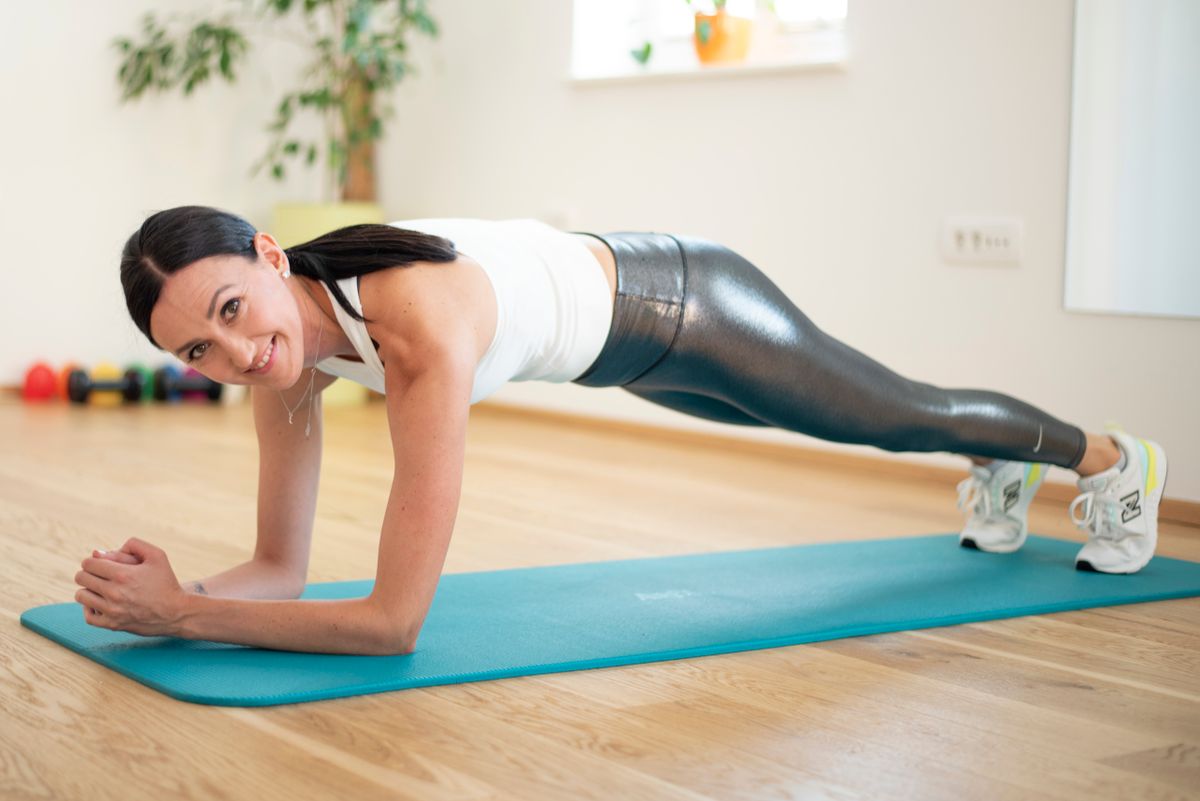
Image: Pexels (free license)
Say "core training" and most people picture a six-pack. But the core's real value isn't in the muscles you can see — it's in the inner muscles that quietly hold your body up. Here's why the core gets called the foundation of every workout.
The core isn't a six-pack
Let's clear up the common misconception first. The core isn't one front-of-belly six-pack muscle. It's the deep abdominal muscles, the lower-back muscles, the muscles at the floor of the pelvis (the pelvic floor), and the diaphragm you use to breathe — the whole band of muscle wrapping all the way around your trunk. Think of it as a natural corset around your midsection.
And what does that corset do? In a word, it keeps you centered. Holding the trunk steady so it doesn't wobble while your arms and legs move — that's the core's day job.
What happens when the core is weak
So what goes wrong when the center is weak? The lower back ends up taking over the job of stabilizing the trunk and starts aching easily, posture collapses, and the same movement tires you out faster. Struggling to use your arms and legs efficiently is common too. Whether it's a golf swing or lifting something heavy, force is generated at the center and transferred out to the limbs. When the center is shaky, that force leaks away.
That's why it's called the "foundation"
This is exactly why Pilates has emphasized the core for over a hundred years. Before any flashy movement, you have to build the strength to hold your center, so that every other movement can follow safely and efficiently. It's like laying the foundation before you build the house.
How to start with the core
The point isn't doing 100 sit-ups. If anything, that mostly fires the six-pack muscle. The starting point is "sensing" the deep core — the feeling of drawing the navel slightly inward as you exhale. Learn that subtle activation first, and only then start adding movement on top of it.
An exercise flow matched to your level, automatically
Enter the level and the goal, and PilaMate builds a safe sequence that stacks up step by step from the core. A tool for instructors, launching soon.
Try the free posture self-checkRelated reading: Why Sitting at a Desk Hurts Your Lower Back